


In today’s world, people are increasingly focused on creating homes and workspaces that are comfortable, healthy, and energy-efficient. One simple but highly effective solution that supports these goals is the use of an Insect screen. Although it may seem like a small and ordinary household feature, an insect screen plays a major role in protecting indoor environments from unwanted pests while still allowing fresh air and natural light to enter. This balance between protection and ventilation makes the insect screen an essential element in residential, commercial, and even industrial settings.
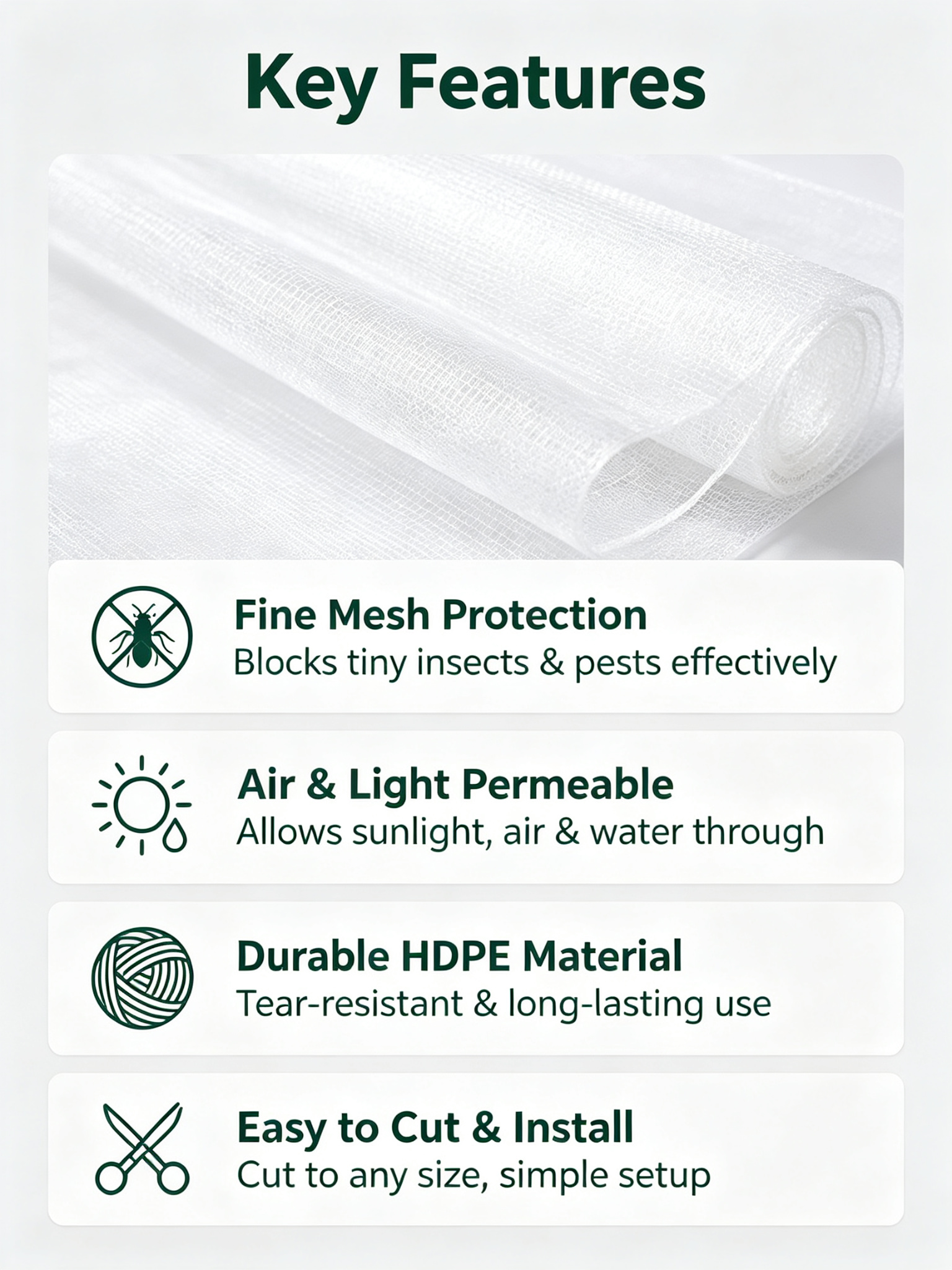
An insect screen is typically installed over windows, doors, vents, or other openings to prevent insects such as mosquitoes, flies, moths, and gnats from entering a building. Depending on the design, it may be made of fiberglass, aluminum, stainless steel, polyester, or other fine-mesh materials. The screen is woven or perforated in such a way that air can pass through freely, but insects cannot. This simple physical barrier provides a surprisingly broad range of benefits that affect comfort, safety, cleanliness, and even energy consumption.
Protection Against Insects and Pest-Related Problems
The most obvious benefit of an Insect screen is its ability to keep insects outside where they belong. During warmer seasons, insects often become more active and more likely to enter homes through open windows and doors. Mosquitoes are especially troublesome because they bite, cause irritation, and may carry diseases in some regions. Flies can contaminate food and surfaces, while other insects may create allergies, damage fabrics, or simply become a nuisance.
By installing an insect screen, households can reduce or eliminate the need to keep windows shut all the time. This is particularly valuable in areas where people want to enjoy natural ventilation without allowing pests inside. The screen acts as the first line of defense, reducing the chances of insect infestations and helping maintain a cleaner indoor environment. In kitchens, dining areas, and food preparation spaces, this protection is especially important because it helps reduce the risk of contamination.
Improving Indoor Air Quality and Ventilation
One of the major advantages of an Insect screen is that it allows people to open windows and doors without sacrificing protection. Fresh air circulation is essential for healthy indoor living. It helps remove stale air, odors, humidity, and airborne pollutants. In many climates, opening windows is a natural and effective way to improve indoor air quality without relying constantly on mechanical ventilation systems or air conditioners.
Without an insect screen, many people avoid opening windows because they fear insects entering their home. As a result, indoor spaces may become stuffy, humid, or uncomfortable. An insect screen solves this problem by making it safe to let in fresh air. This is especially useful in bedrooms at night, living rooms during the day, and offices where people prefer a natural breeze. In some cases, increased ventilation can even help reduce the buildup of moisture that might otherwise lead to mold growth or mildew.
Supporting Energy Efficiency
Another important benefit of an Insect screen is its contribution to energy savings. When windows and doors can be kept open safely for ventilation, there may be less need to use fans, air conditioning, or other cooling systems. In mild weather, this can significantly reduce electricity consumption. In warm seasons, natural airflow can help keep indoor spaces more comfortable without excessive mechanical cooling.
Energy efficiency is becoming a key concern for homeowners, building managers, and anyone looking to reduce utility costs. An insect screen is a low-cost, passive solution that supports these goals. While it does not replace modern cooling systems entirely, it can reduce dependence on them during favorable weather conditions. Over time, this can lead to noticeable savings while also lowering environmental impact. In this sense, the insect screen is not only a comfort feature but also a practical tool for more sustainable living.
Enhancing Comfort and Quality of Life
The presence of an Insect screen can greatly improve everyday comfort. Many people enjoy sleeping with a window slightly open to let in cool nighttime air, but they do not want to be bothered by mosquitoes or other flying insects. A screen allows this preference to be enjoyed without the inconvenience of bites or buzzing sounds. Likewise, during the day, occupants can feel more relaxed knowing that insects are less likely to enter through open passages.
Comfort also extends to family members, guests, and pets. Children are often more sensitive to insect bites, and pets may attract flies or other pests around food and waste areas. By installing an insect screen, a household can create a more pleasant environment for everyone. In outdoor living areas such as porches, balconies, and patios, screens can make it possible to enjoy the outdoors while still maintaining a level of protection.
Different Types of Insect Screen Materials
Insect screens are available in a wide variety of materials, each with its own strengths and limitations. The choice of material often depends on climate, budget, durability requirements, visibility preferences, and intended use.
Fiberglass insect screen is one of the most common types. It is lightweight, flexible, resistant to corrosion, and relatively affordable. It is often used in residential applications because it is easy to install and maintain.
Aluminum insect screen is another popular option. It offers good durability and resists rust better than many metals. However, it can be more prone to denting or creasing if handled roughly.
Stainless steel insect screen provides excellent strength and long-term resistance to damage. It is often chosen for areas where durability is especially important, such as coastal regions or high-traffic locations.
Polyester insect screen is valued for its flexibility and tear resistance. Some versions are coated for added strength and weather resistance, making them suitable for certain specialized applications.
In addition to material differences, insect screens can vary in mesh size, color, thickness, and surface coating. A finer mesh blocks smaller insects but may reduce airflow slightly. A darker screen may improve visibility by reducing glare, while a lighter one may blend better with certain interiors. These variations allow consumers to select an insect screen that matches their needs and preferences.
Installation and Maintenance Considerations
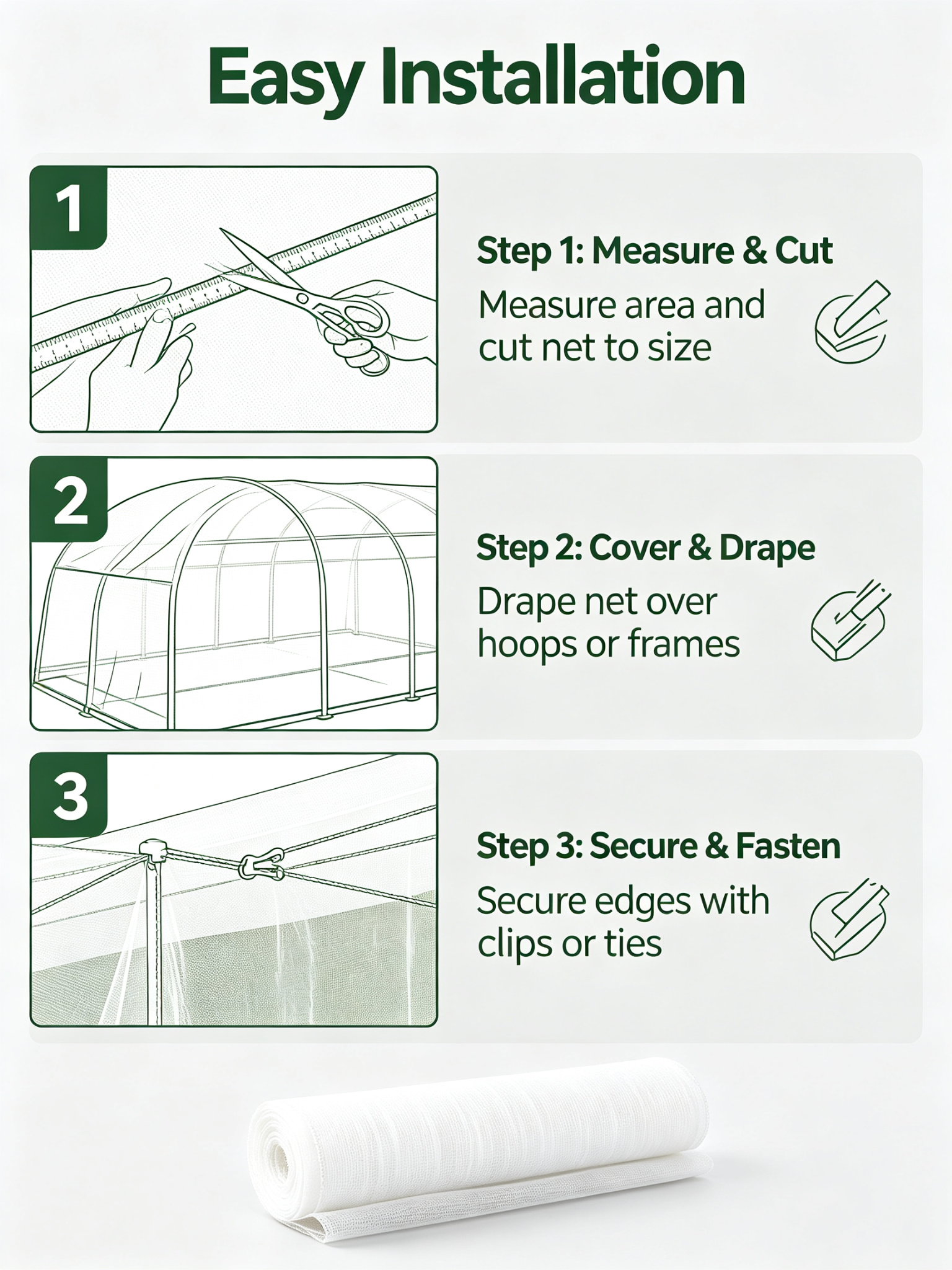
Proper installation is essential for an Insect screen to perform effectively. A screen that is loose, torn, or poorly fitted may allow insects to enter through gaps. For this reason, accurate measurement and secure framing are important. Screens may be fixed in place, removable, retractable, or designed to open and close with a door or window.
Maintenance is usually simple but should not be ignored. Dust, pollen, and debris can accumulate on the mesh over time, reducing airflow and visibility. Regular cleaning with a soft brush, vacuum, or gentle soap and water can keep the screen in good condition. If a tear or hole appears, it should be repaired promptly to maintain effectiveness. In some cases, replacing the screen may be more practical than repairing it, especially if the material has aged or become brittle.
Seasonal inspection is also a good habit. Before warmer months begin, it is wise to check all screens for damage, loose edges, or frame issues. This helps ensure that the insect screen will provide full protection when insect activity increases.
Applications Beyond Homes
Although insect screens are commonly associated with houses and apartments, they have many other applications as well. In schools, offices, hospitals, restaurants, and hospitality spaces, screens help keep interiors cleaner and more comfortable. In food service environments, they are particularly valuable because they help reduce the presence of flying insects around food, kitchens, and service counters.
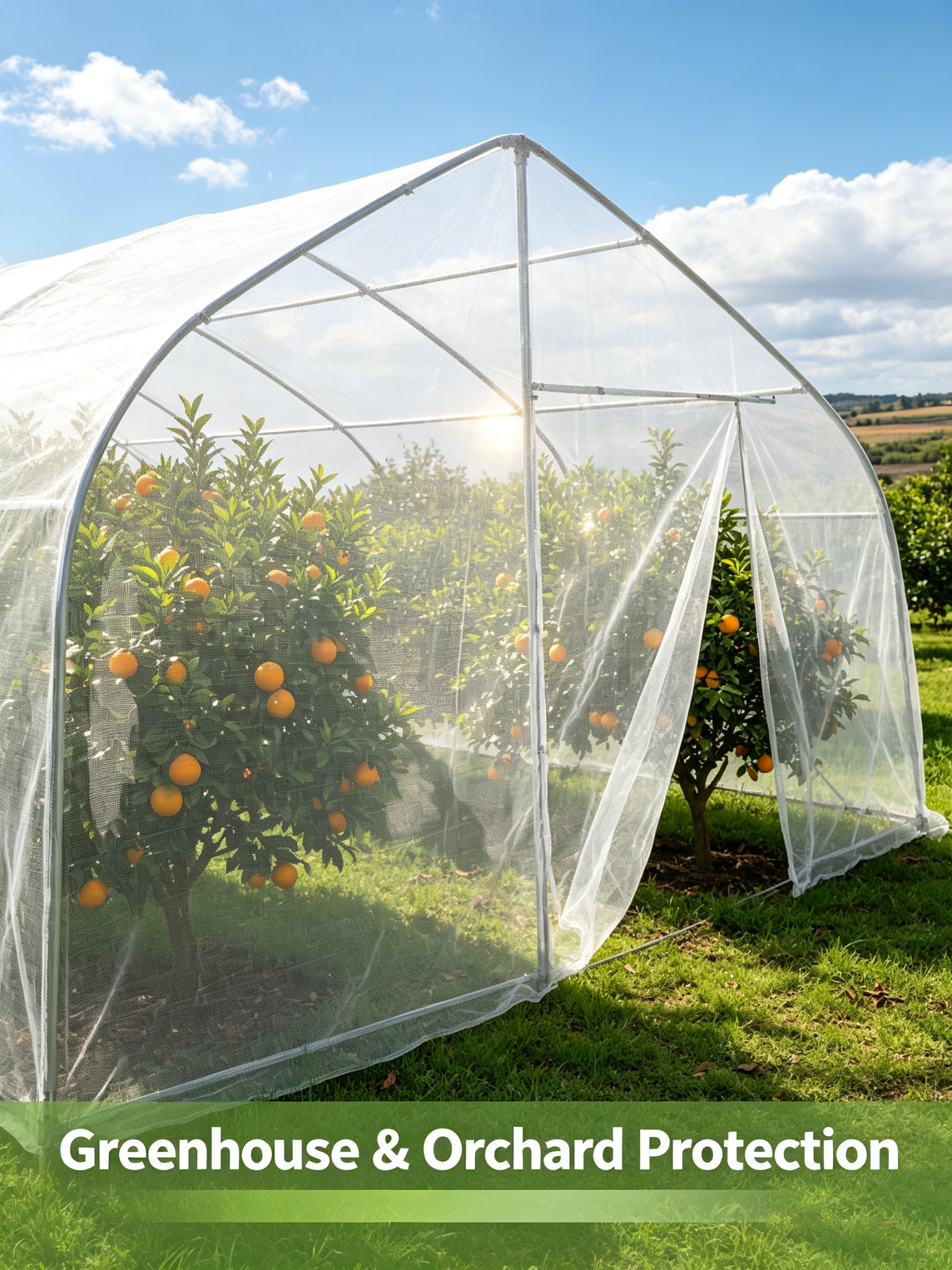
In agricultural and industrial settings, insect screens may be used to protect sensitive equipment, storage areas, or ventilation openings. Some greenhouses and nurseries also use fine insect screens to help control pest entry while allowing proper airflow for plants. This demonstrates that the usefulness of an insect screen extends far beyond ordinary residential windows.
A Simple Solution with Lasting Value
What makes the Insect screen so effective is its simplicity. It does not require electricity, complex controls, or regular operating costs. Once installed, it works quietly and continuously in the background. Its function is easy to understand, but its impact is broad and meaningful. It improves health, supports comfort, encourages ventilation, contributes to energy savings, and helps keep indoor spaces cleaner.
In an era when many people seek smarter and more sustainable building solutions, the insect screen remains highly relevant. It is affordable, practical, and adaptable to many environments. Whether used in a small home, a large apartment building, a commercial kitchen, or a rural structure, it performs the same essential role: keeping insects out while allowing life to flow in.
Conclusion
An Insect screen may not be the most glamorous feature of a building, but it is certainly one of the most useful. By providing a physical barrier against insects while still permitting air and light to enter, it helps create healthier, more comfortable, and more efficient indoor environments. Its benefits are simple but powerful: protection, ventilation, cleanliness, and convenience. With the variety of materials and styles available today, there is an insect screen suitable for nearly every need and setting.
As people continue to prioritize healthy living and practical home improvement, the insect screen will remain an important part of modern design. It is a small addition with a big effect, proving that sometimes the simplest solutions are the most valuable.
This website uses cookies to ensure you get the best experience on our website.


 Español
 Portugues
 Pусский
 Français
 Deutsch
 日本語
日本語 한국어
한국어 العربية
 ไทย
ไทย



 WhatsApp
 Phone
Phone