

A brown shade net is a highly practical material widely used in outdoor environments where protection from strong sunlight, heat, and excessive exposure is needed. When people 描述棕色遮阳网, they are usually referring to a mesh-like covering made from durable synthetic materials that can filter sunlight, reduce heat intensity, and create a more comfortable and controlled environment beneath it. Although it may appear simple at first glance, a brown shade net serves many purposes across agriculture, gardening, construction, landscaping, and even recreational areas.
The brown color itself often gives the shade net a natural, earthy appearance. Compared with brighter or darker alternatives, brown shade nets blend more easily with soil, plants, wooden structures, and outdoor scenery. This makes them especially attractive for users who want both functionality and visual harmony. In many settings, the color is not just an aesthetic choice but also a practical one, because it helps the net integrate into the surroundings without drawing unnecessary attention.
Basic Structure and Material
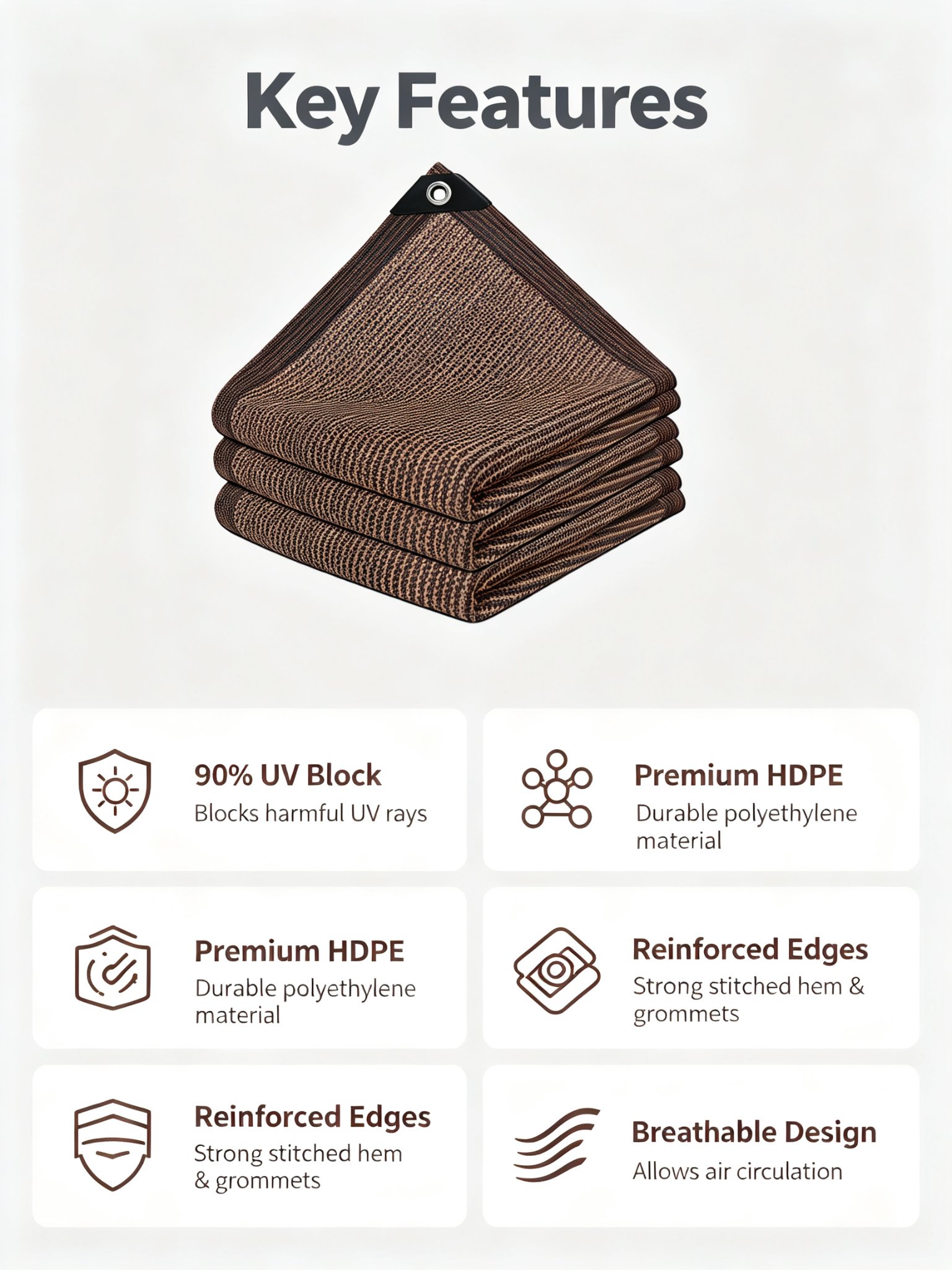
A brown shade net is usually made from high-density polyethylene or a similar weather-resistant synthetic fiber. This material is selected because it is lightweight, strong, and resistant to ultraviolet radiation. Since the net is often exposed to direct sunlight for long periods, UV resistance is a critical feature that helps prevent brittleness, fading, and premature deterioration.
The structure of the net is typically woven or knitted in a way that creates many tiny openings. These openings allow air to pass through while reducing the amount of sunlight that reaches the area below. This design is important because it provides shade without completely blocking ventilation. In hot climates, airflow is just as important as shade, and a good shade net balances both requirements effectively.
The density of the mesh can vary. Some nets block a moderate amount of sunlight, while others provide much heavier shading. This allows users to choose the most suitable level of light reduction based on their specific needs. A garden may require one level of shading, while a greenhouse or livestock area may require another.
Why Brown Shade Nets Are Popular
When people 描述棕色遮阳网, one of the most noticeable qualities is its versatility. Brown is a neutral, natural shade that works well in many environments. In agricultural fields, it blends with soil and plant life. In home gardens, it complements flowers, shrubs, and trees. In outdoor structures, it often looks more discreet than green or black alternatives.
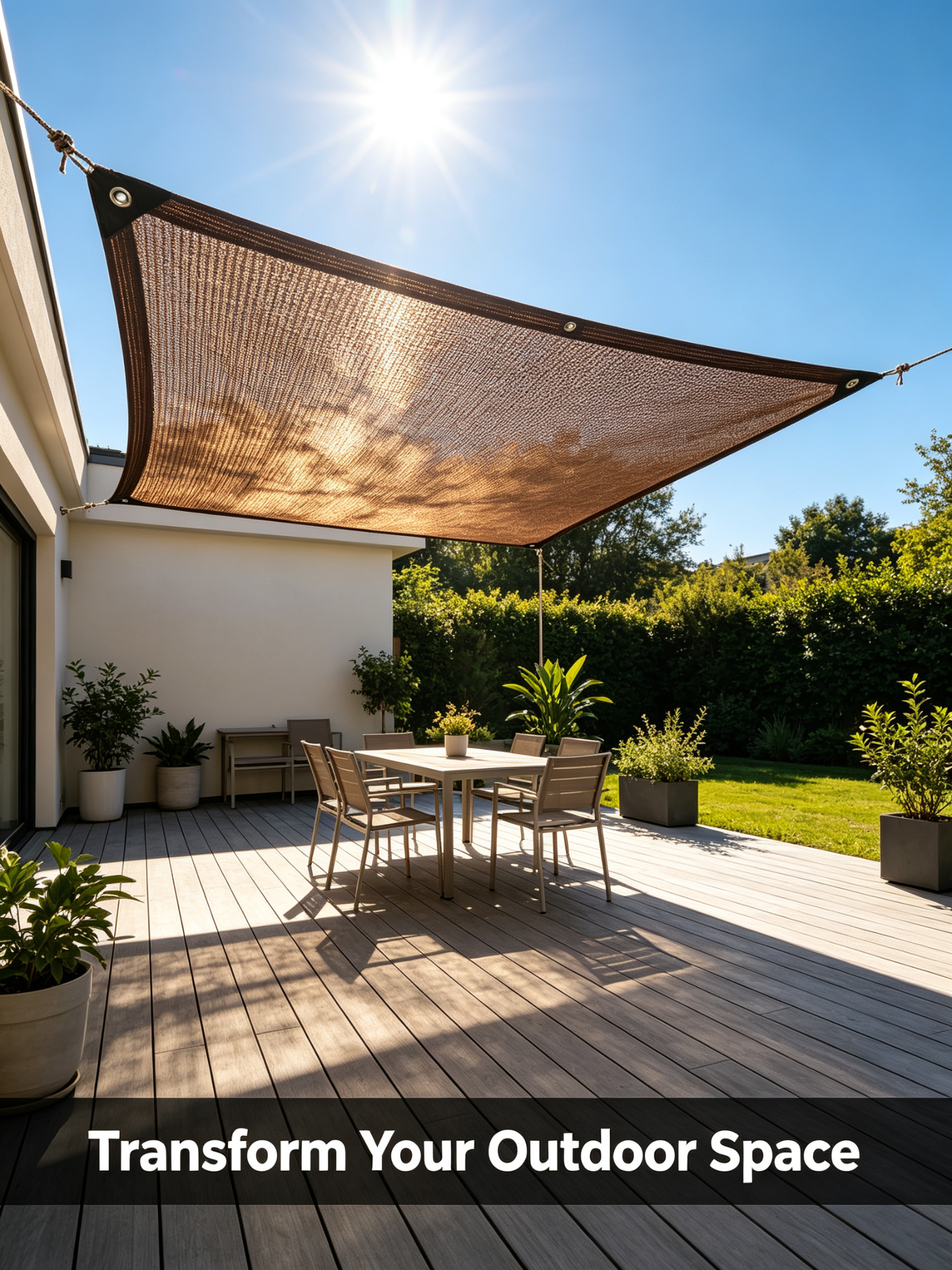
Another reason for its popularity is that the color brown can give a feeling of warmth and stability. It does not feel overly industrial or artificial, which makes it suitable for landscapes where appearance matters. For example, in a backyard garden or a patio area, a brown shade net can provide useful protection while maintaining a calm and natural visual effect.
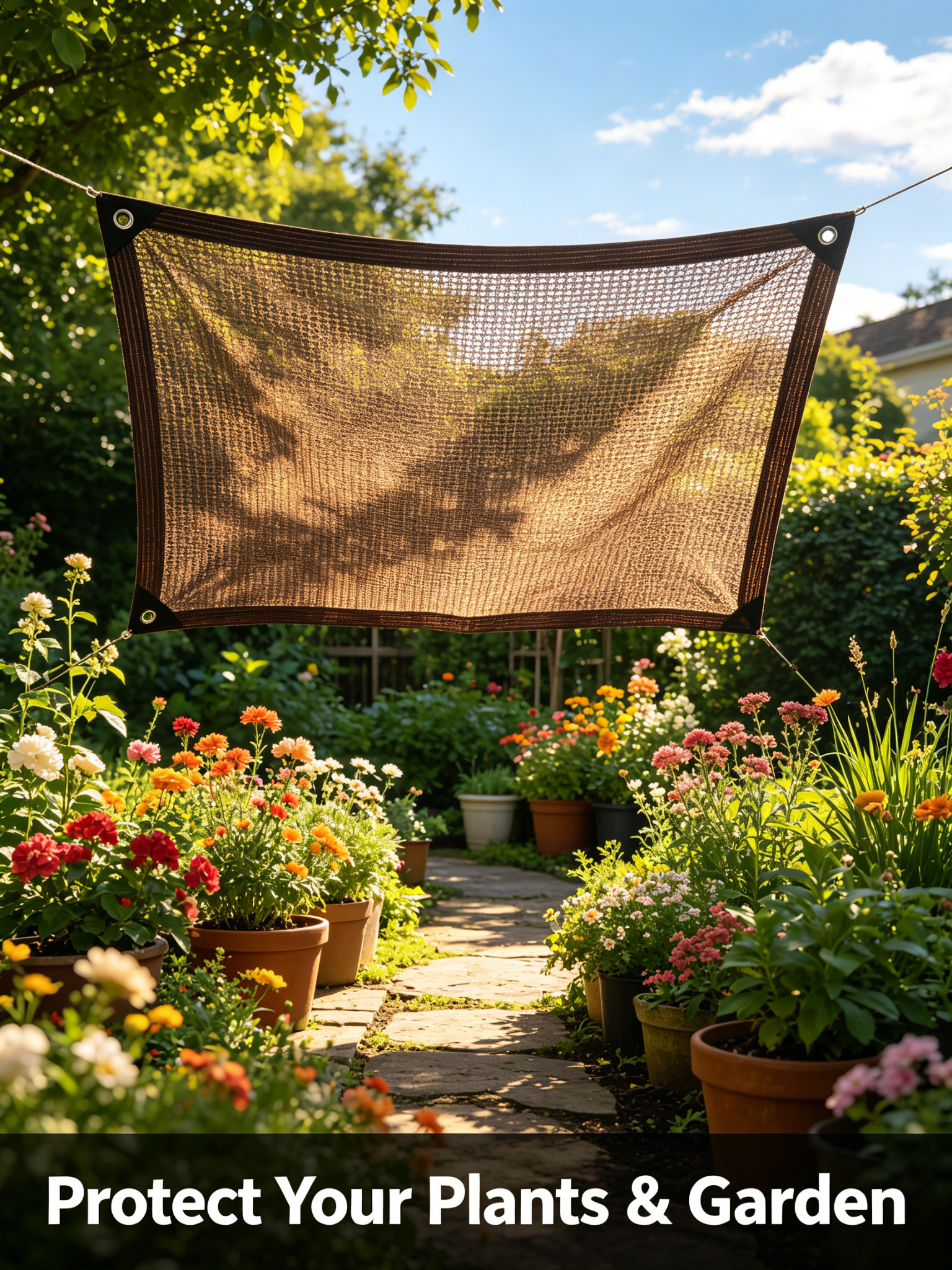
The practical benefits are equally important. By reducing direct sunlight, the net helps prevent overheating in enclosed or semi-enclosed spaces. This can protect plants from sunburn, reduce water evaporation from soil, and create a more stable microclimate. In some cases, brown shade nets are also used to protect people, animals, and materials from harsh sunlight and light weather exposure.
Applications in Agriculture
One of the most common uses of a brown shade net is in agriculture. Farmers and growers use shade nets to protect delicate crops from excessive heat and intense radiation. Certain vegetables, herbs, and ornamental plants grow better when they receive filtered sunlight instead of full exposure throughout the day. Too much sunlight can damage leaves, slow growth, and reduce yield quality.
A brown shade net can also help regulate temperature in nurseries. Young seedlings and newly transplanted plants are especially sensitive to environmental stress. By providing partial shade, the net allows them to develop more slowly and safely until they are strong enough to tolerate stronger conditions. In this way, shade nets contribute directly to healthier plant growth.
In addition, shade nets help conserve water. When sunlight is intense, the soil dries out more quickly. By limiting direct exposure, a shade net reduces evaporation and helps maintain moisture in the root zone. This can lower irrigation needs and support more efficient water use, which is especially valuable in dry or hot regions.
Use in Gardening and Landscaping
Gardeners often appreciate brown shade nets because they are both functional and attractive. In a private garden, the net may be used to cover potted plants, protect a vegetable patch, or create partial shade for flowers that cannot tolerate full sun. The brown tone can make the installation appear more natural and less intrusive.
Landscapers may also use brown shade nets for temporary protection during plant establishment. New trees, shrubs, or ground cover may need time to adapt after planting. Shade nets can reduce stress during this period and improve survival rates. They are also helpful in landscaping projects where areas must be protected from strong afternoon sunlight while plants are still becoming established.
For hobby gardeners, a brown shade net can be used over a pergola, trellis, or frame to create a shaded sitting area. This improves comfort and makes outdoor spaces more usable during hot seasons. Because the material is flexible and easy to install, it can be adapted to many different shapes and structures.
Use in Animal and Livestock Areas
Another important application is in animal shelters, poultry areas, and livestock enclosures. Animals, like plants, can suffer from heat stress when exposed to prolonged sunlight. A shade net helps reduce the temperature in resting areas and provides a more comfortable environment. This can improve animal well-being, encourage better feeding behavior, and reduce stress-related problems.
Brown shade nets may be especially suitable in rural or semi-natural environments because they do not stand out too much and can be incorporated into existing structures more easily. In open pens or animal yards, they can be installed as overhead coverings or side screens to block direct sunlight while still allowing air circulation.
For birds and poultry, ventilation is essential. A shade net is advantageous because it does not create a fully enclosed, stagnant space. Instead, it offers protective shade while maintaining airflow, which helps reduce heat buildup and supports healthier conditions.
Use in Construction and Temporary Work Areas
Shade nets are also common in construction settings. They may be used to cover scaffolding, protect workers from excessive sun exposure, or reduce dust and debris movement. In such settings, a brown shade net provides a combination of protection and concealment. It can also help make temporary barriers look less harsh within the surrounding environment.
On construction sites, the net may serve as a safety and comfort tool. By reducing glare and direct sunlight, it can improve working conditions for laborers. The material also helps protect nearby plants, sidewalks, and public spaces from dust and flying particles. Because the net is lightweight, it can be installed and removed with relative ease as project needs change.
Durability and Weather Resistance
A good brown shade net is designed to withstand outdoor conditions. It must resist sunlight, wind, rain, and general wear. The synthetic fibers used in its construction are usually selected for strength and long service life. If properly installed and maintained, the net can remain effective for a long period without significant loss of performance.
Weather resistance is one of its major advantages. A shade net should not easily tear or become brittle after exposure to heat and sunlight. It should also handle occasional rain without problems, and it should dry quickly afterward. This durability makes it a practical investment for both short-term and long-term use.
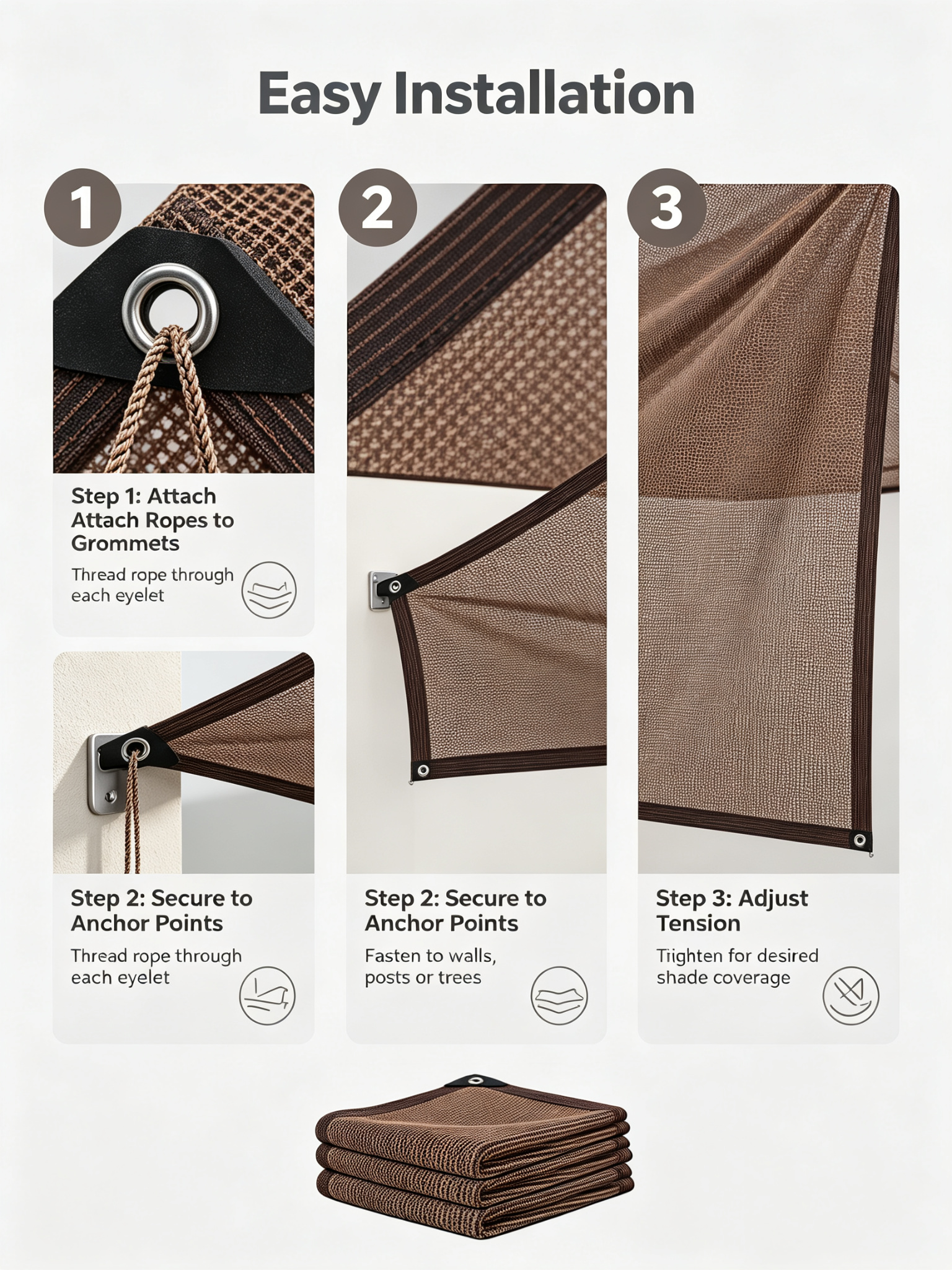
Some shade nets are reinforced around the edges to improve strength and make installation easier. This may involve additional stitching or thicker border material. Reinforced edges can help reduce fraying and make the net more reliable in windy conditions.
Maintenance and Care
Maintaining a brown shade net is usually simple. Regular inspection can help detect small tears, loose fasteners, or signs of wear before they become larger problems. If dirt or dust accumulates, the net can often be cleaned with water and mild washing methods. Since it is made from synthetic material, it generally does not require complicated care routines.
Proper storage is also important. If the net is used seasonally, it should be folded or rolled neatly and kept in a dry place when not in use. Avoiding prolonged unnecessary exposure can extend its lifespan. When installed correctly, with enough support and tension, the net will perform better and last longer.
Choosing the Right Shade Level
One of the most important considerations when selecting a brown shade net is the level of shading required. Different applications need different amounts of light reduction. Plants that prefer partial shade will need a different net than crops or areas that require stronger protection. The percentage of shade usually determines how much sunlight is filtered through the mesh.
Choosing the right balance is essential. Too little shade may not provide enough protection, while too much shade may reduce growth or make the area too dark. The best choice depends on climate, purpose, and the type of plants, animals, or people the net is meant to protect.
Conclusion
To 描述棕色遮阳网 is to describe a highly useful outdoor solution that combines practical shading, durability, and natural-looking appearance. Whether used in farming, gardening, landscaping, animal care, or construction, a brown shade net offers an effective way to reduce sunlight, improve comfort, and create better environmental conditions. Its neutral brown color helps it blend into many surroundings, while its strong mesh structure provides ventilation and protection at the same time.
Because it is lightweight, adaptable, and weather-resistant, the brown shade net continues to be a popular choice in a wide variety of settings. It is not merely a piece of fabric or mesh; it is a versatile tool that supports healthier plants, more comfortable outdoor spaces, and more efficient use of the environment. For anyone looking for a reliable and visually subtle shading solution, the brown shade net remains an excellent option.
 RELATED
 RELATED
 RELATED
 RELATED
This website uses cookies to ensure you get the best experience on our website.


 Español
 Portugues
 Pусский
 Français
 Deutsch
 日本語
日本語 한국어
한국어 العربية
 ไทย
ไทย



 WhatsApp
 Phone
Phone