

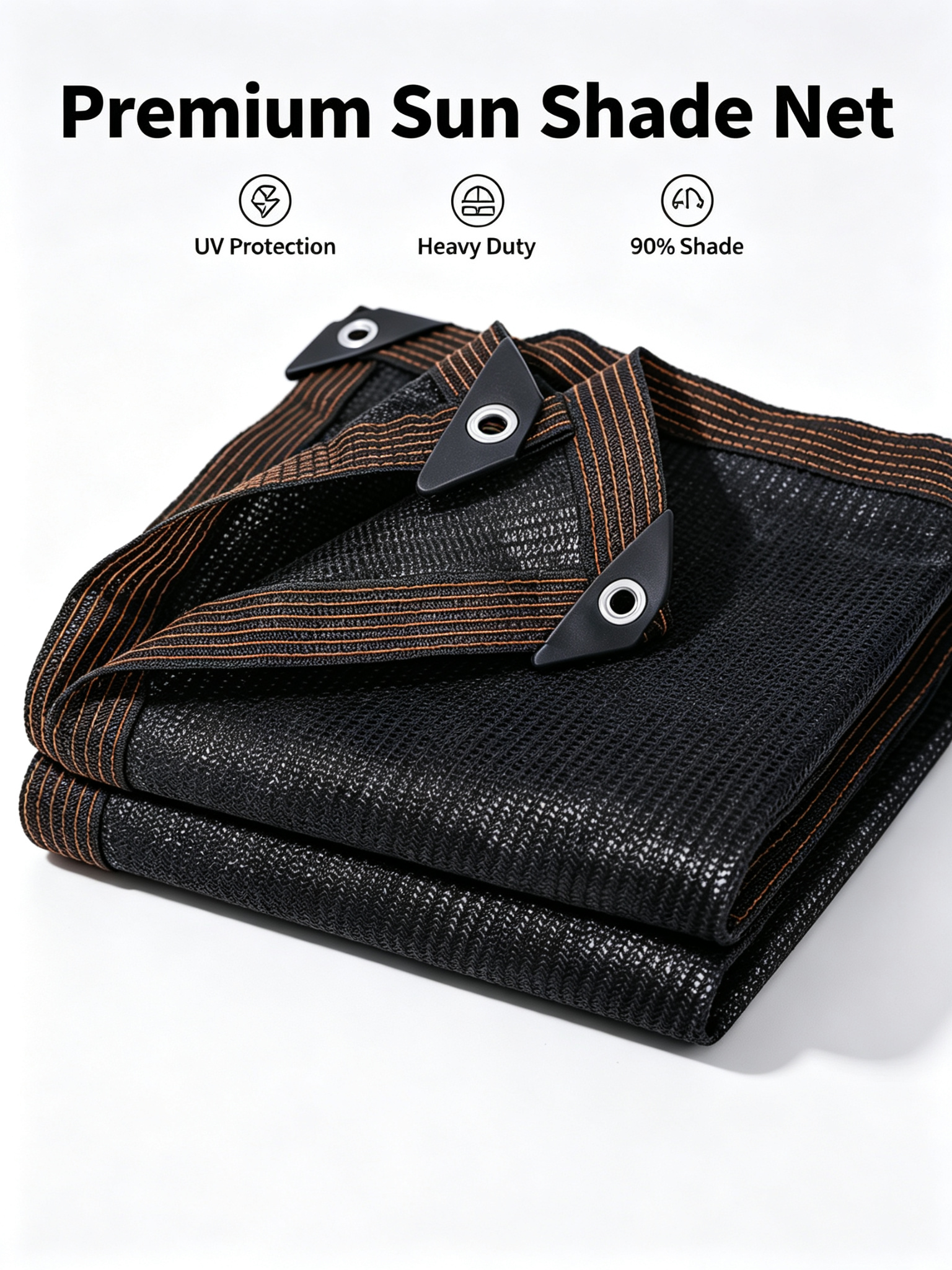
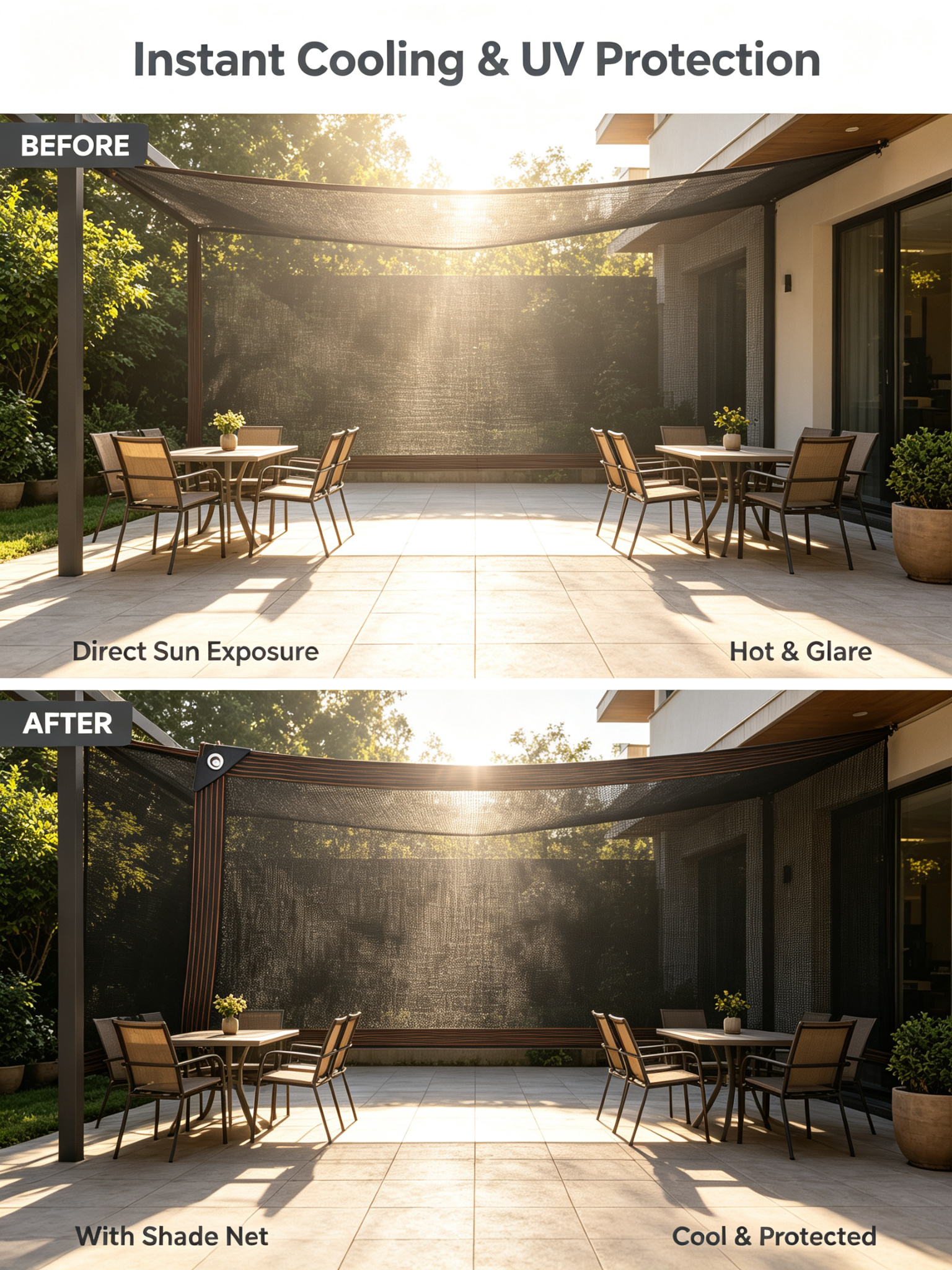
Black shade netting is a practical and versatile product widely used in agriculture, horticulture, construction, landscaping, and even residential settings. It is designed to reduce sunlight intensity, provide partial shading, protect plants and materials from harsh environmental conditions, and create more comfortable outdoor spaces. With its simple structure and strong functionality, black shade netting has become an essential solution for many different applications. Its combination of durability, flexibility, UV resistance, and cost-effectiveness makes it one of the most popular shading materials available today.
What Black Shade Netting Is
Black shade netting is usually made from high-density polyethylene or similar synthetic materials that are woven or knitted into a mesh-like fabric. The black color helps absorb and block sunlight efficiently while also offering a neat and professional appearance. The mesh structure allows air and some light to pass through, which prevents overheating and creates a balanced shade effect. Depending on the intended use, black shade netting is available in different shading rates, such as 30%, 50%, 65%, 80%, or even higher. These various levels of shading allow users to choose the most suitable product for their specific needs.
Unlike solid covers, black shade netting does not completely block airflow. This is one of its greatest advantages because it reduces the risk of heat buildup and helps maintain a more natural environment underneath. As a result, it is widely preferred in situations where ventilation, light control, and protection must work together.
Common Use Scenarios
One of the most important features of black shade netting is its broad range of applications. In agriculture, it is often used to protect crops, vegetables, fruits, and flowers from excessive sunlight, strong winds, and hail. Some plants are highly sensitive to direct sunlight, especially during hot summer months. Too much sun exposure can cause leaf burn, water loss, reduced growth, and lower yield. By installing black shade netting over greenhouses, nursery areas, or open fields, farmers can create a more stable environment that supports healthy plant development.
In horticulture and gardening, black shade netting is frequently used in backyard gardens, potted plant areas, and seedling nurseries. Young plants and newly transplanted seedlings are especially vulnerable to stress caused by intense sunlight and temperature fluctuations. Shade netting helps them adapt more easily and improves survival rates. Gardeners also use it to protect ornamental plants, bonsai, and delicate flowers from harsh afternoon sun.
In greenhouse farming, black shade netting can be installed inside or outside the structure to regulate temperature and light levels. During summer, greenhouses can become extremely hot, which may damage crops and reduce productivity. Shade netting helps maintain a more suitable growing climate, making it an important component of modern controlled-environment agriculture.
Construction sites also benefit from black shade netting. It can be used as a temporary screen to reduce dust, protect workers from direct sunlight, and improve site safety. In many cases, it is applied to scaffolding, building facades, or fenced areas to create a barrier that limits debris spread and provides privacy. Because it is lightweight and easy to install, it is highly practical for temporary project needs.
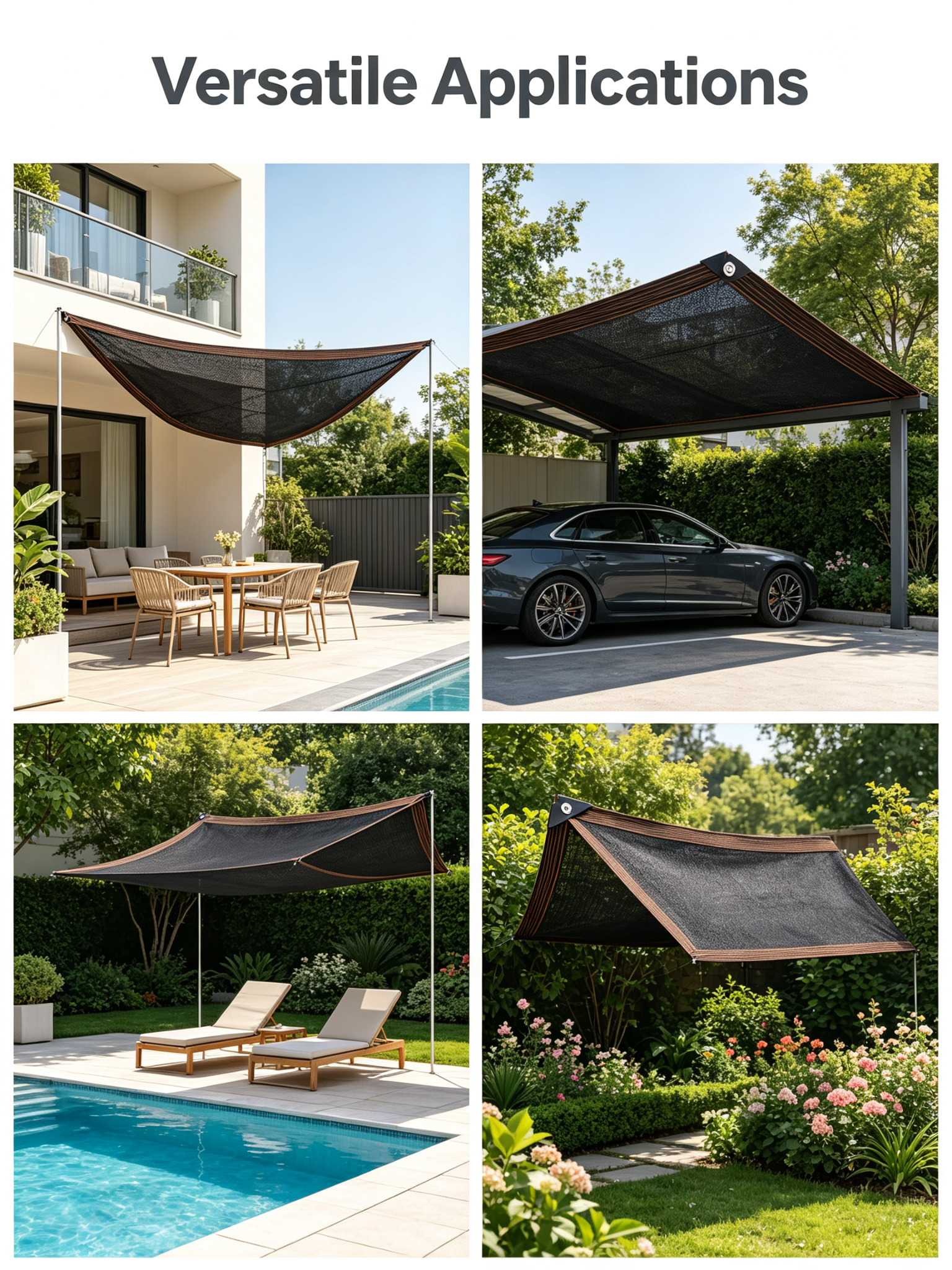
In residential and commercial outdoor spaces, black shade netting is commonly used on patios, balconies, pergolas, carports, playgrounds, and parking areas. It creates cool shaded zones where people can relax comfortably without being exposed to strong sunlight. For vehicles, shade netting can reduce interior temperatures and protect paintwork and dashboard materials from UV damage. In playgrounds, it helps protect children from excessive heat and makes outdoor activity areas safer and more enjoyable.
Black shade netting is also useful in animal husbandry. It can be used to provide shade for livestock, poultry, and other animals kept outdoors. Animals exposed to strong sunlight and heat may experience stress, reduced appetite, and lower productivity. Shade netting helps improve animal welfare by creating a cooler and more comfortable environment.
Product Features
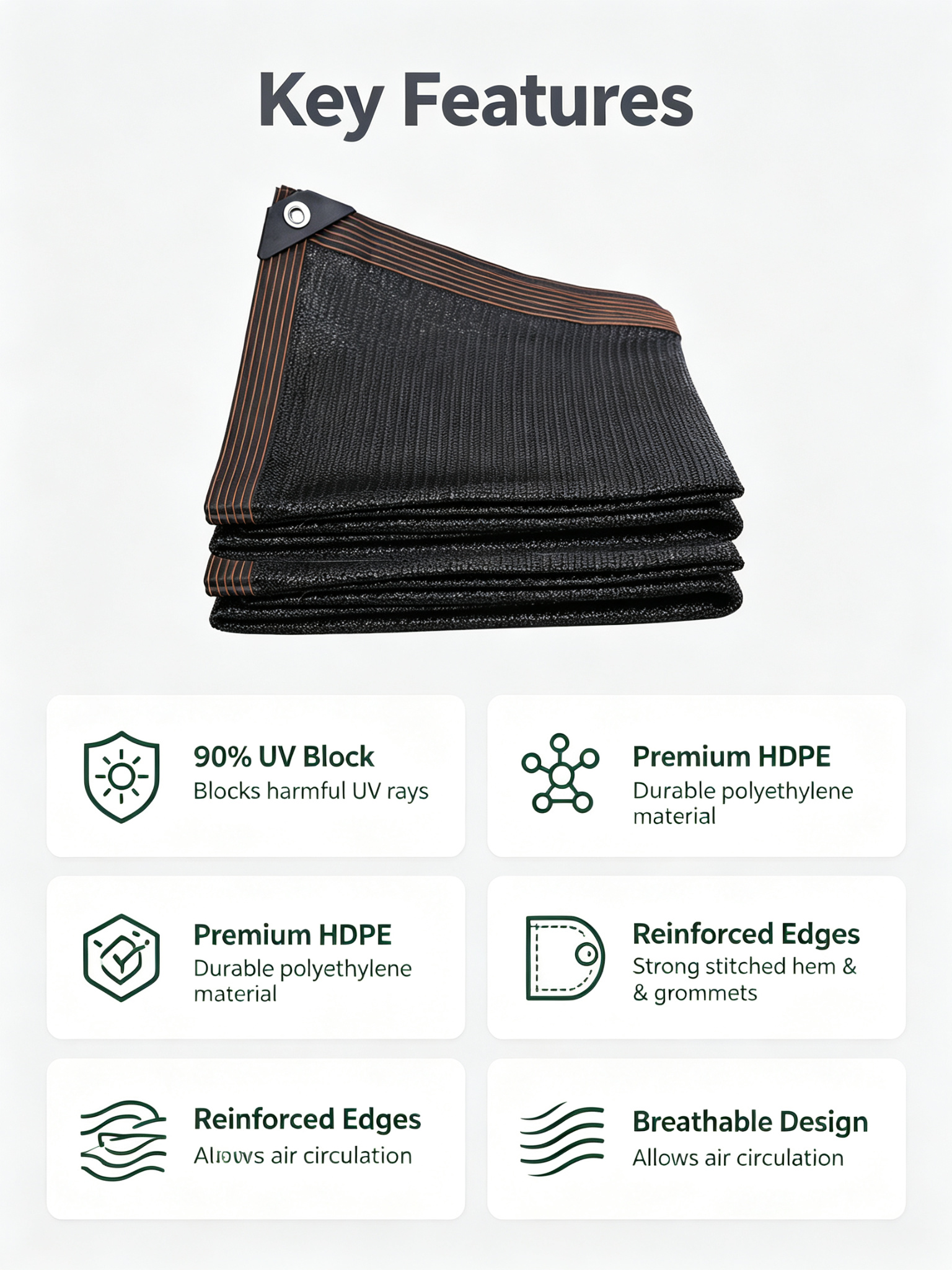
Black shade netting offers a number of practical product features that make it suitable for demanding environments. One of its most important characteristics is UV resistance. Because it is manufactured with materials that withstand prolonged exposure to sunlight, it does not easily deteriorate, crack, or lose effectiveness over time. This makes it suitable for long-term outdoor use.
Another key feature is strong durability. High-quality black shade netting is designed to resist tearing, stretching, and wear caused by wind, rain, and daily handling. Even in challenging weather conditions, it maintains its structure and performance. This reliability is one reason why it is preferred in both agricultural and industrial environments.
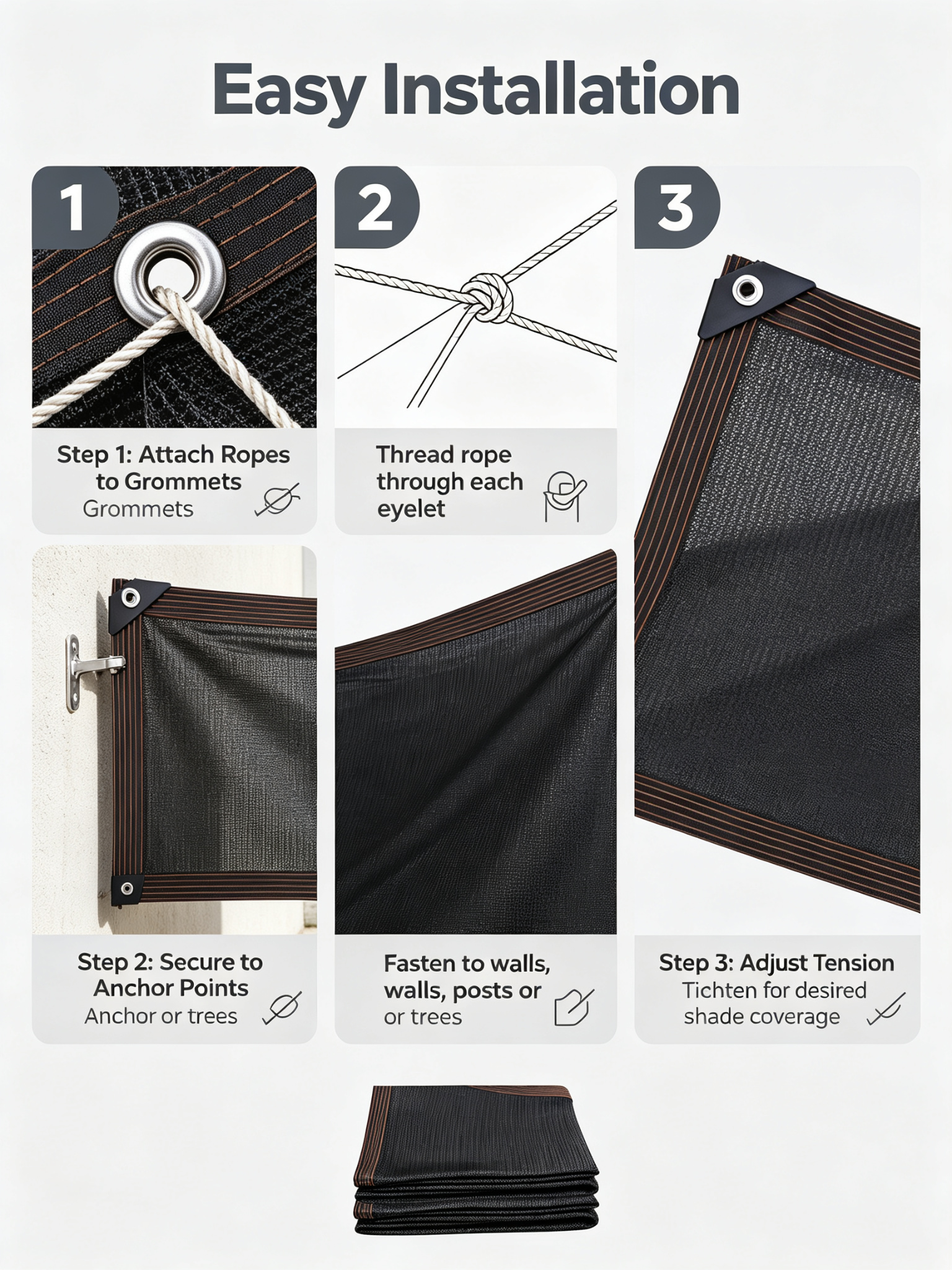
The lightweight design is another major advantage. Despite its strength, black shade netting is easy to carry, cut, fold, and install. Users can secure it with ropes, clips, ties, or hooks depending on the application. This convenience saves time and labor during setup and removal.
Black shade netting also provides flexibility in size and coverage. It can be produced in rolls, sheets, or custom dimensions, allowing users to adapt it to different spaces and structures. Whether covering a small garden bed or a large greenhouse, the material can be easily adjusted to meet the requirement.
Breathability is another valuable feature. The mesh design allows wind and air to pass through, reducing the risk of damage caused by strong gusts. At the same time, it provides effective shade and privacy. This balance between protection and ventilation is one of the reasons black shade netting is so widely used.
Product Advantages
The advantages of black shade netting go beyond simple shading. First, it helps control temperature. By reducing direct solar radiation, it lowers the heat level in the covered area. This is especially beneficial in hot climates where excessive heat can damage crops, affect animal health, or make outdoor spaces uncomfortable.
Second, it improves moisture retention in soil and plants. Since the netting reduces the amount of intense sun reaching the ground, evaporation is slower. This means plants may require less frequent watering, which can lead to more efficient water use and lower maintenance costs.
Third, black shade netting helps reduce sun damage. Prolonged exposure to strong sunlight can fade fabrics, crack plastics, and damage sensitive surfaces. With shade netting in place, items stored outdoors or materials used in construction and landscaping are better protected.
Fourth, it enhances privacy. In some environments, black shade netting is used as a screening material to block unwanted views while still allowing airflow. This makes it useful for residential yards, commercial properties, and temporary event spaces where privacy is important.
Fifth, it is economical. Compared with many other shading systems, black shade netting is relatively affordable and provides long service life when properly maintained. Its combination of low cost and high utility makes it a smart investment for both small and large users.
Sixth, it is environmentally practical. Because it can reduce the need for frequent watering and help regulate growing conditions naturally, black shade netting supports more sustainable agricultural and landscaping practices. It also reduces dependence on more energy-intensive cooling methods in some outdoor or semi-enclosed spaces.
How It Supports Different Industries
In the agricultural industry, black shade netting contributes to crop quality, better yield stability, and improved growth conditions. Farmers use it to create microclimates that protect plants from environmental stress. This can be especially valuable in regions with intense sunlight, high temperatures, or irregular weather patterns.
In landscaping, it helps maintain healthier gardens and more attractive outdoor spaces. It can protect newly planted trees, shrubs, and flowers while also serving as a functional design element. Landscapers often choose it for areas where both appearance and performance matter.
In industrial and construction settings, black shade netting serves as a protective and organizational tool. It can reduce dust dispersion, improve worksite comfort, and define temporary boundaries. Because it is quick to install and remove, it is especially useful for projects that require adaptable outdoor coverage.
In commercial use, businesses apply black shade netting to parking lots, outdoor seating areas, warehouses, and storage yards. It can improve working conditions for employees, protect goods from sunlight, and make customer spaces more comfortable. Its practical value extends to many types of business operations.
Maintenance and Longevity
Maintaining black shade netting is generally simple. It should be installed securely to prevent excessive tension or damage from wind. Periodic inspection helps ensure that ties, anchors, and attachment points remain in good condition. If dirt or debris accumulates on the surface, gentle cleaning with water can help preserve its appearance and function. Avoiding sharp objects and improper handling will extend the product’s life.
With proper care, high-quality black shade netting can last for several seasons or even longer depending on environmental conditions and frequency of use. Its long service life adds to its overall value and makes it a dependable solution for many needs.
Conclusion
Black shade netting is a highly versatile and effective product that serves a wide variety of purposes across agriculture, gardening, construction, commercial use, and residential outdoor spaces. Its ability to provide shade, improve ventilation, protect against sunlight, and enhance comfort makes it an important material in many settings. With strong features such as UV resistance, durability, breathability, and ease of installation, it offers practical advantages that meet both functional and economic needs. Whether used to protect crops, cool outdoor areas, improve privacy, or support construction work, black shade netting remains a smart and reliable choice for modern shading and protection requirements.
 RELATED
 RELATED
 RELATED
 RELATED
This website uses cookies to ensure you get the best experience on our website.


 Español
 Portugues
 Pусский
 Français
 Deutsch
 日本語
日本語 한국어
한국어 العربية
 ไทย
ไทย



 WhatsApp
 Phone
Phone