

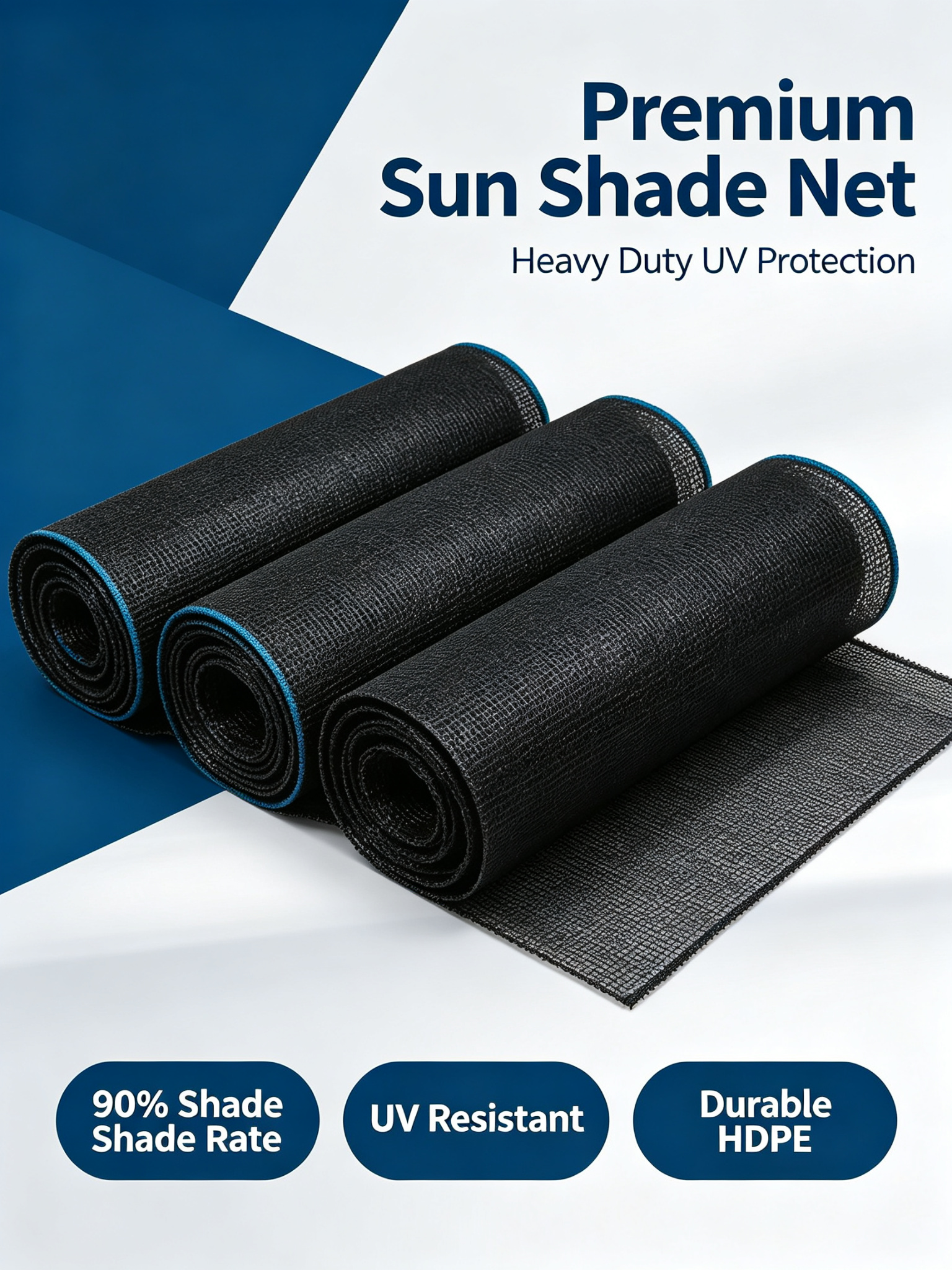
Shade cloth roll is a practical and versatile material widely used in gardening, agriculture, landscaping, construction, and outdoor living spaces. It is designed to reduce the intensity of sunlight, lower heat buildup, and create a more controlled environment for plants, animals, and people. Because it comes in roll form, it can be cut, shaped, and installed according to different project requirements, making it a flexible solution for many shading needs. Whether used for protecting crops, covering greenhouses, or improving comfort in patios and carports, a Shade cloth roll offers a balance of sun protection, airflow, and durability.
One of the main reasons people choose a Shade cloth roll is its ability to filter sunlight while still allowing air to pass through. Unlike solid covers that completely block light and can trap heat, shade cloth is usually woven or knitted in a way that reduces direct solar exposure without creating a stuffy environment. This makes it especially useful in hot climates where excessive sunlight can damage plants or make outdoor areas uncomfortable. By lowering the temperature beneath the cover, it helps reduce stress on vegetation, equipment, and even animals in enclosed or semi-enclosed spaces.
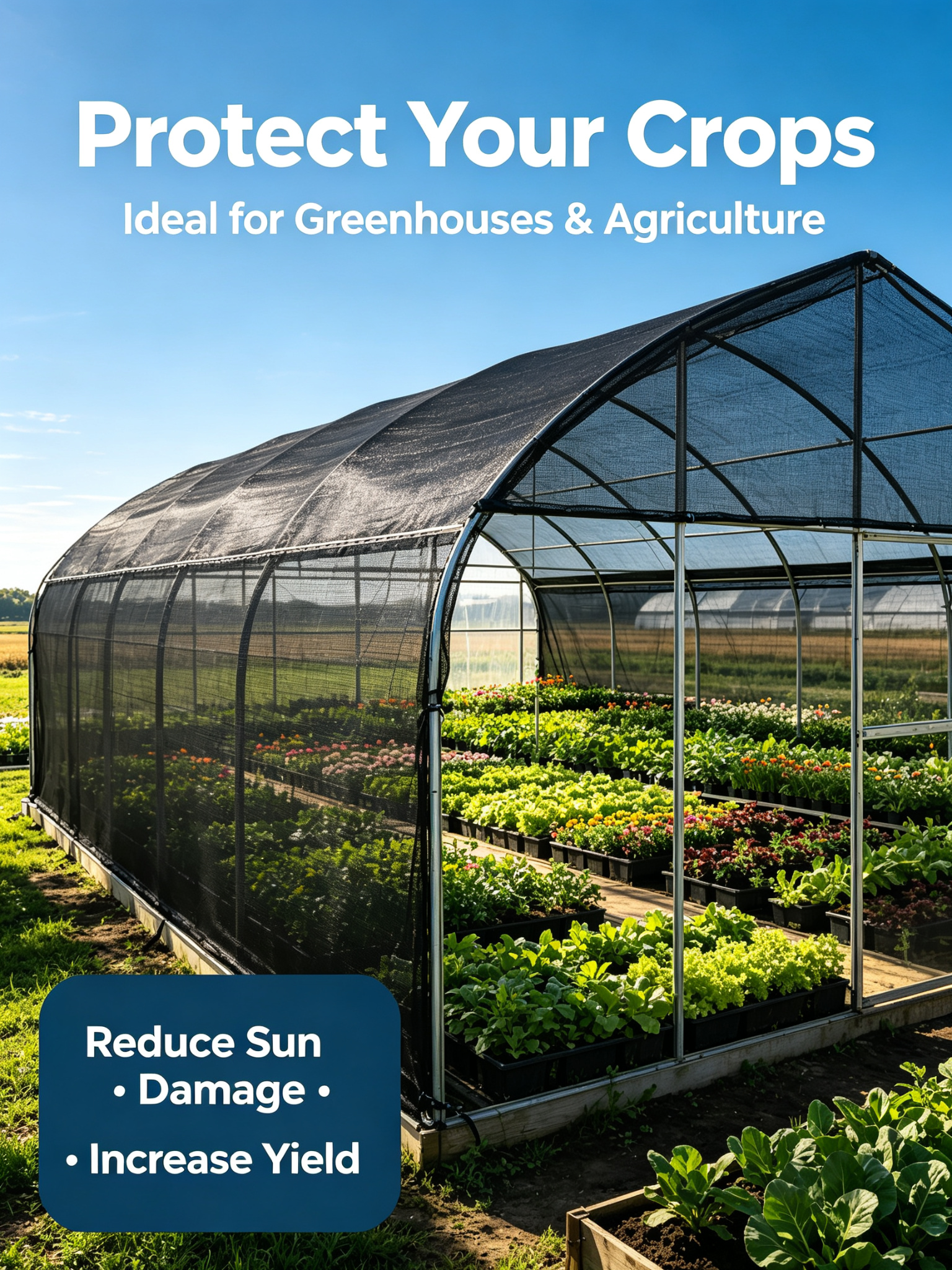
In gardening and farming, a Shade cloth roll is commonly used to protect delicate plants from harsh sun, strong winds, and heat stress. Many vegetables, flowers, nursery plants, and seedlings need partial shading to grow properly, especially during the hottest months of the year. Excessive direct sunlight can cause leaf burn, wilting, soil moisture loss, and slower growth. By installing shade cloth over beds, tunnels, or frames, growers can create a gentler microclimate. This can lead to healthier plants, better water retention in soil, and improved yields. For example, leafy greens often perform better under moderate shading, while newly transplanted plants benefit from reduced sun intensity as they adapt to their new environment.
A Shade cloth roll is also valuable in greenhouse management. Greenhouses already trap heat and light, so during summer they may become too hot for sensitive crops. Shade cloth helps regulate internal conditions by blocking a portion of sunlight. This can prevent overheating, reduce the need for excessive ventilation, and protect crops from light stress. Depending on the percentage of shade needed, growers can choose a lighter or darker cloth. Lower shade percentages allow more light through and are suitable for plants that need bright conditions, while higher percentages provide stronger protection for more sensitive species or extremely sunny locations. Because the product is sold in roll form, greenhouse operators can cover large areas efficiently and adapt the material to different structures.
Another important application of Shade cloth roll is in animal care. Farms, kennels, and outdoor shelters often use shade cloth to provide relief from heat and sun exposure. Animals such as poultry, rabbits, horses, and pets can suffer from overheating, dehydration, and discomfort when exposed to prolonged sunlight. A properly installed shade cloth can help create a cooler resting area and support animal welfare. It is especially useful in temporary enclosures, open-sided barns, and exercise areas where full roofing is not available. Since airflow remains possible, the shaded space stays more comfortable than if it were enclosed with solid material.
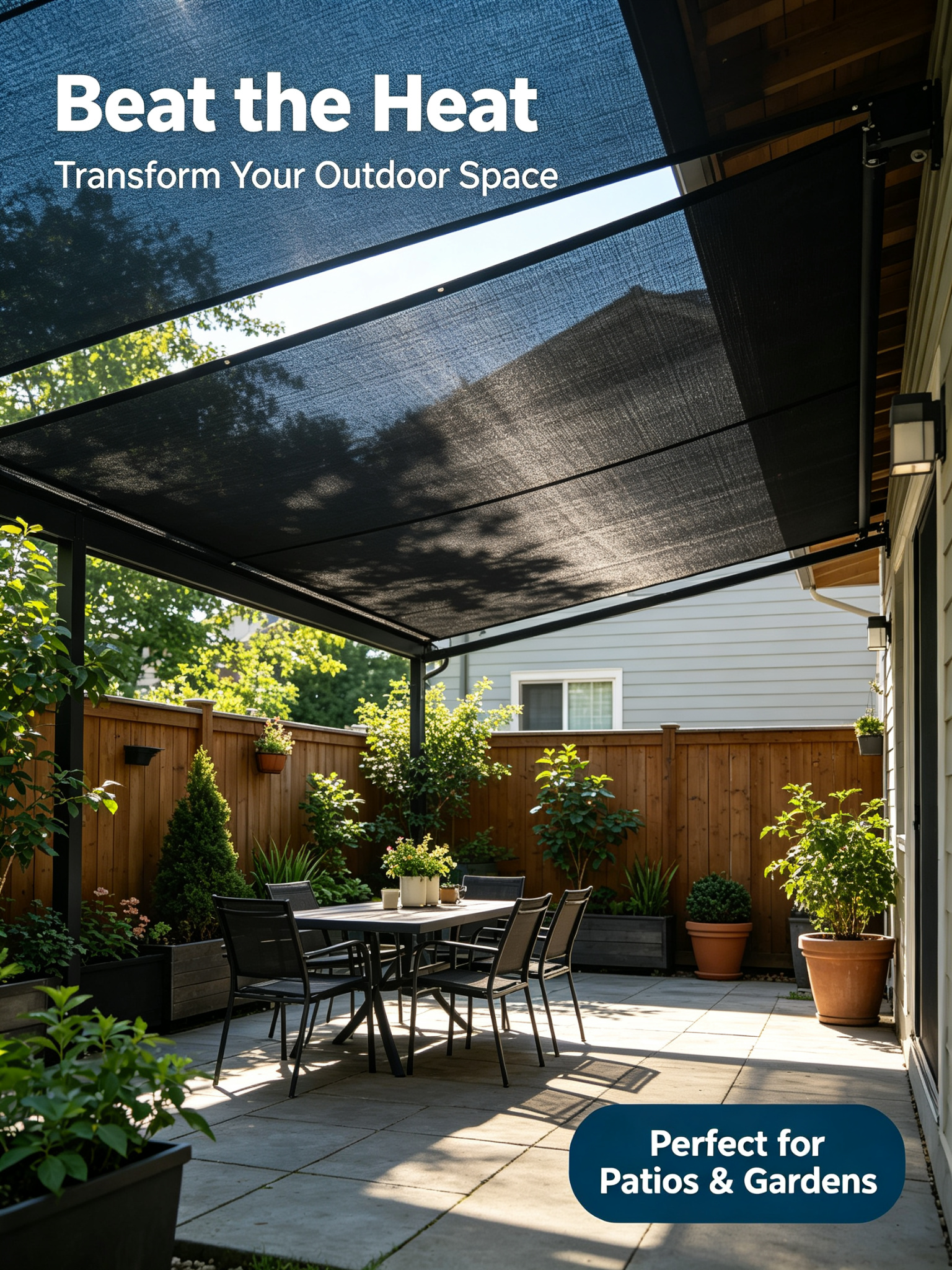
In residential settings, a Shade cloth roll can improve the comfort and usability of outdoor spaces. Patios, balconies, pergolas, and carports often experience intense sunlight that makes them too hot to use during the day. With shade cloth, homeowners can create a more enjoyable environment for relaxing, dining, or working outdoors. The material can also help protect furniture, vehicles, and flooring from UV damage and fading. Because it is lightweight and adaptable, it can be attached to existing frames, fences, or support structures with relative ease. This makes it a convenient option for do-it-yourself projects and seasonal shade solutions.
Construction sites also benefit from the use of a Shade cloth roll. Workers may need temporary shading for safety, comfort, and visibility. Shade cloth can be installed around scaffolding, fencing, or work zones to reduce glare and provide partial protection from the sun. It can also help control dust and create a more organized appearance around a site. In some cases, it is used to shield materials, tools, or unfinished surfaces from direct exposure, which may help preserve quality and reduce weather-related issues. Since construction environments change frequently, the ability to cut and reposition shade cloth is a useful advantage.
The material of a Shade cloth roll is often chosen for strength, UV resistance, and long service life. Many shade cloth products are made from high-density polyethylene or similar synthetic fibers that are designed to endure outdoor conditions. The woven or knitted structure helps prevent tearing while maintaining flexibility. UV-stabilized materials are especially important because constant sun exposure can weaken ordinary fabrics over time. A quality shade cloth should maintain its performance even after prolonged use in bright, hot environments. The durability of the roll also matters because it may need to withstand wind, rain, and regular handling during installation and removal.
Another benefit of Shade cloth roll is the variety of shading levels available. Shade percentage usually refers to how much light the cloth blocks. Common options may range from light shade to heavy shade, allowing users to select the appropriate level for their specific purpose. For example, some crops need only slight reduction in sunlight, while others may require more substantial protection. Outdoor seating areas may use a medium level of shade to keep spaces cool while still bright enough for comfortable use. This range of choices makes the product useful across many industries and climates.
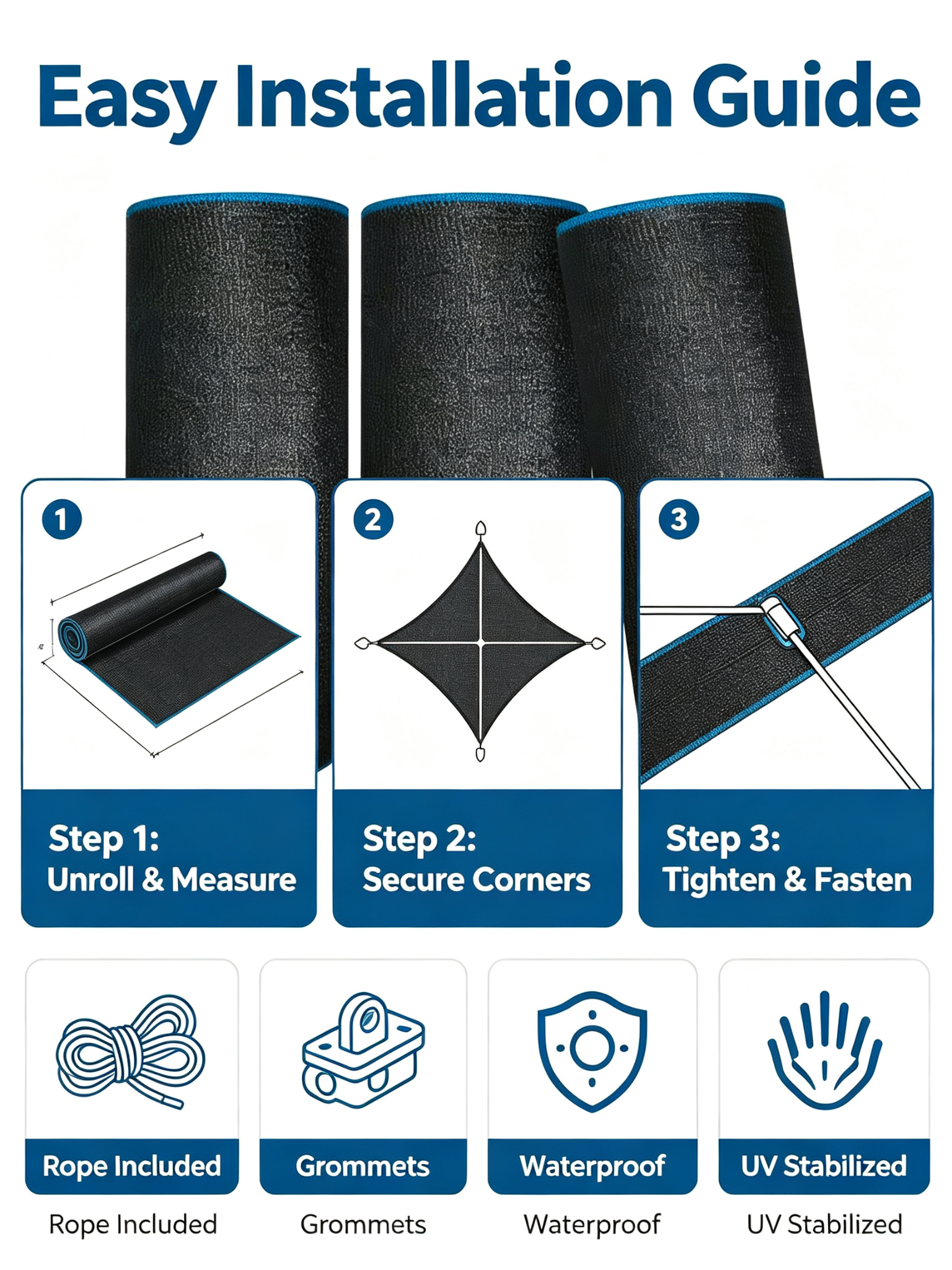
Installation of a Shade cloth roll is generally straightforward, especially when used with frames, wires, hooks, clips, or tension systems. The material can be measured and cut to fit the desired area, then secured in place. Proper tension is important to prevent sagging, flapping, or damage in windy conditions. In larger applications, overlapping sections may be used to cover wide spaces. Since the product is supplied in roll form, users can purchase only the amount needed and customize the size during installation. This reduces waste and allows for efficient planning.
Maintenance of a Shade cloth roll is usually simple. Routine cleaning with water can help remove dust, pollen, and debris. Periodic inspection for tears, loose fasteners, or wear is also recommended, especially after storms or extended use. When properly cared for, shade cloth can serve for multiple seasons. Some users store it during off-season periods to extend lifespan, while others leave it installed year-round if the climate and structure permit. The ease of maintenance adds to its appeal as a long-term shading solution.
A Shade cloth roll can also contribute to energy savings in certain settings. By reducing heat gain around buildings, greenhouses, and vehicles, it may lessen the need for cooling and other temperature-control measures. In outdoor work or recreational areas, it can reduce reliance on fans or temporary shelters. For gardeners, improved moisture retention in soil may mean less frequent watering, which saves both time and resources. These practical benefits make shade cloth not only a comfort feature but also an efficient environmental tool.
From an aesthetic perspective, a Shade cloth roll can enhance the look of outdoor spaces when chosen carefully. Available in different colors and textures, it can blend with natural surroundings or match architectural features. Dark colors may offer stronger visual contrast and more effective glare reduction, while lighter colors may reflect more heat and create a brighter atmosphere. Some users select neutral tones for a clean, professional appearance, especially in commercial or public areas. Because the material is flexible, it can be installed in creative ways to shape space and add visual interest.
In summary, Shade cloth roll is a highly adaptable and effective solution for controlling sunlight, reducing heat, and improving comfort in a wide range of settings. Its usefulness spans agriculture, greenhouses, animal shelters, homes, construction sites, and outdoor leisure areas. With options for different shade levels, durable materials, and easy customization, it serves as a practical tool for anyone needing reliable sun protection. By balancing light filtration with airflow, a Shade cloth roll helps create safer, cooler, and more productive environments.
 RELATED
 RELATED
 RELATED
 RELATED
This website uses cookies to ensure you get the best experience on our website.


 Español
 Portugues
 Pусский
 Français
 Deutsch
 日本語
日本語 한국어
한국어 العربية
 ไทย
ไทย



 WhatsApp
 Phone
Phone